2019
Founding
Two automation engineers leave a regional systems integrator to focus exclusively on collaborative robotics for Ontario SMEs.
About RoboForgeAI
RoboForgeAI was founded to close the gap between robotics demos and production-grade cells. Our team sits at 3330 South Service Road in Burlington, Ontario—a campus with integration bays, a vision lab, and a network operations desk that monitors client deployments across the Golden Horseshoe and beyond.
We are not a marketing agency, software reseller, or distant consultancy. Every project is staffed by engineers who have commissioned equipment in live plants, written PLC code under deadline pressure, and sat with operators during night shifts to understand real failure modes.
Manufacturers deserve integrators who stay through commissioning and document everything. We hire controls engineers, vision specialists, and software developers who have spent time on plant floors—not consultants who hand off binders and disappear.
Our work is grounded in Canadian regulatory context: PIPEDA for data, CSA-aligned safety workflows, and honest conversations about what AI-assisted automation can and cannot do in your specific environment.
We publish realistic timelines, name the assumptions in our proposals, and treat maintenance teams as primary stakeholders. A cell that only the integrator can tune is a liability; we train your staff and leave runbooks that survive personnel changes.
Community involvement includes hosting student tours for local robotics programs, sponsoring HALTON advanced manufacturing meetups, and contributing open documentation templates for OPC-UA tag naming—small ways we invest in the ecosystem that feeds our hiring pipeline.

2019
Two automation engineers leave a regional systems integrator to focus exclusively on collaborative robotics for Ontario SMEs.
2021
Lease signed at South Service Road; first integration bay operational with UR and Fanuc reference cells.
2023
Dedicated inspection lab with controlled lighting rigs; Cognex and Keyence partnerships formalised.
2025
Internal module library released for multi-cell recipe management and shift-aware exception handling.
2026
Milestone across automotive, packaging, and precision machining verticals; NOC monitoring offered 24/7.
Facility
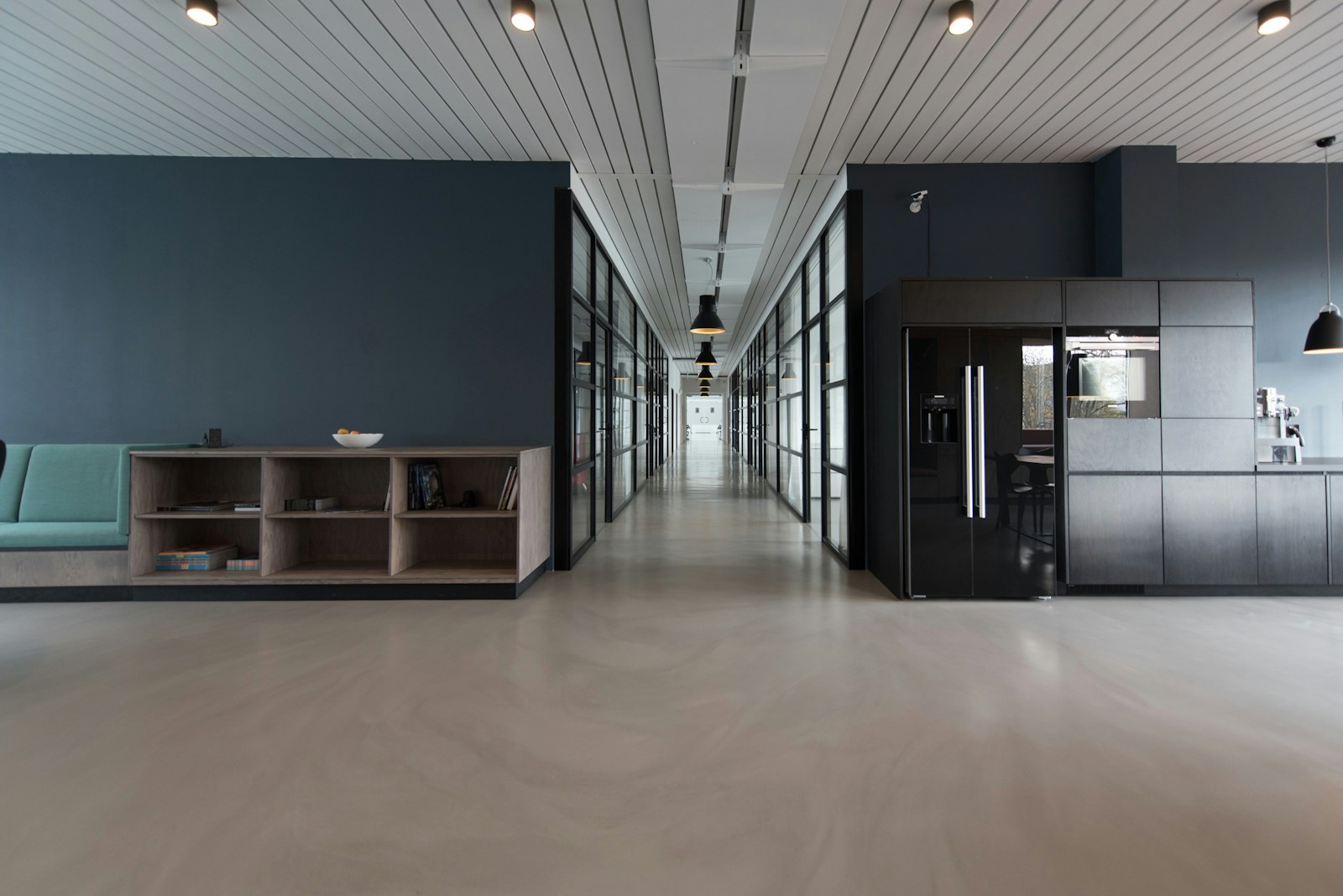
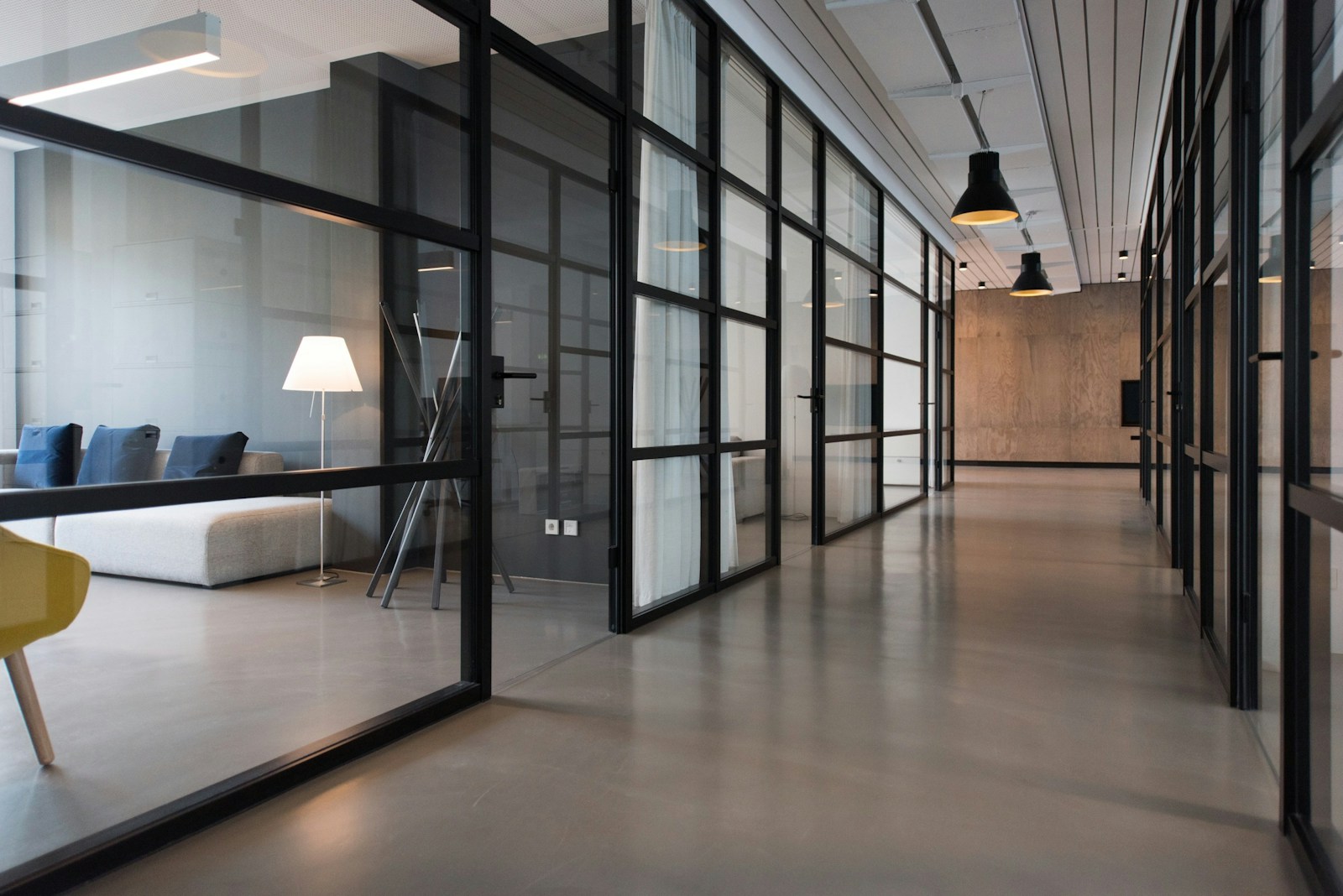
Clients visit our campus for platform demos, factory acceptance tests, and operator training before equipment ships to their plants. The facility includes ESD-safe assembly areas, a loading dock rated for robot cabinet deliveries, forklift-accessible bays, and guest Wi-Fi segregated from production VLANs used during client monitoring pilots.
Our network operations desk occupies a dedicated room overlooking the integration floor, allowing engineers to correlate live telemetry from remote sites with bench tests running downstairs. This layout shortens feedback loops when a client reports an intermittent vision reject—we can reproduce lighting conditions in the lab within hours.
Visitor parking is available off South Service Road with accessibility accommodations at the main entrance. Photo identification is required for unescorted access to integration bays where active robot cells may be energised during FAT weeks.
Our team currently includes fourteen full-time integration engineers, three vision specialists, two network operations analysts, and project coordinators who manage scheduling across concurrent pilots. We hire locally where possible and partner with Ontario colleges for co-op placements in controls and mechatronics.