Cell architecture
Layout, safety zoning, and mechanical fixturing designed around your SKU mix and floor traffic patterns.
Industrial AI Robotics
RF-CMD-2026 / Burlington Deployment Hub
RoboForgeAI is a Burlington-based integration studio that connects collaborative robots, machine vision, and orchestration software into cells your operators can trust. We scope pilots, engineer interfaces to your MES and ERP stack, and stay through commissioning so throughput gains survive the first production quarter—not just the demo day.
Whether you are modernising a legacy assembly line or standing up a greenfield inspection station, our engineers work inside your facility constraints: ceiling height, cycle time, part variance, and shift patterns. Every engagement starts with a measurable baseline and ends with documented runbooks your maintenance team owns.
Serving Ontario manufacturers · BN 863174528ON0001
Operational snapshot
Capability pillars
Our integration methodology is built around repeatable engineering pillars. Each pillar has defined deliverables, acceptance tests, and handoff documentation so your internal teams inherit a system they can operate—not a black box that only we understand.
Layout, safety zoning, and mechanical fixturing designed around your SKU mix and floor traffic patterns.
Motion profiling, parallel operations, and buffer logic tuned to hit takt without starving upstream processes.
2D and 3D inspection pipelines with calibrated reject handling and traceable image archives.
OPC-UA, MQTT, and REST bridges into MES, WMS, and quality databases your IT team already maintains.
Risk assessments, light curtain placement, and collaborative speed limits aligned with CSA Z434 workflows.
Vibration, temperature, and cycle-variance models that flag wear before unplanned downtime hits OEE.
Field deployments
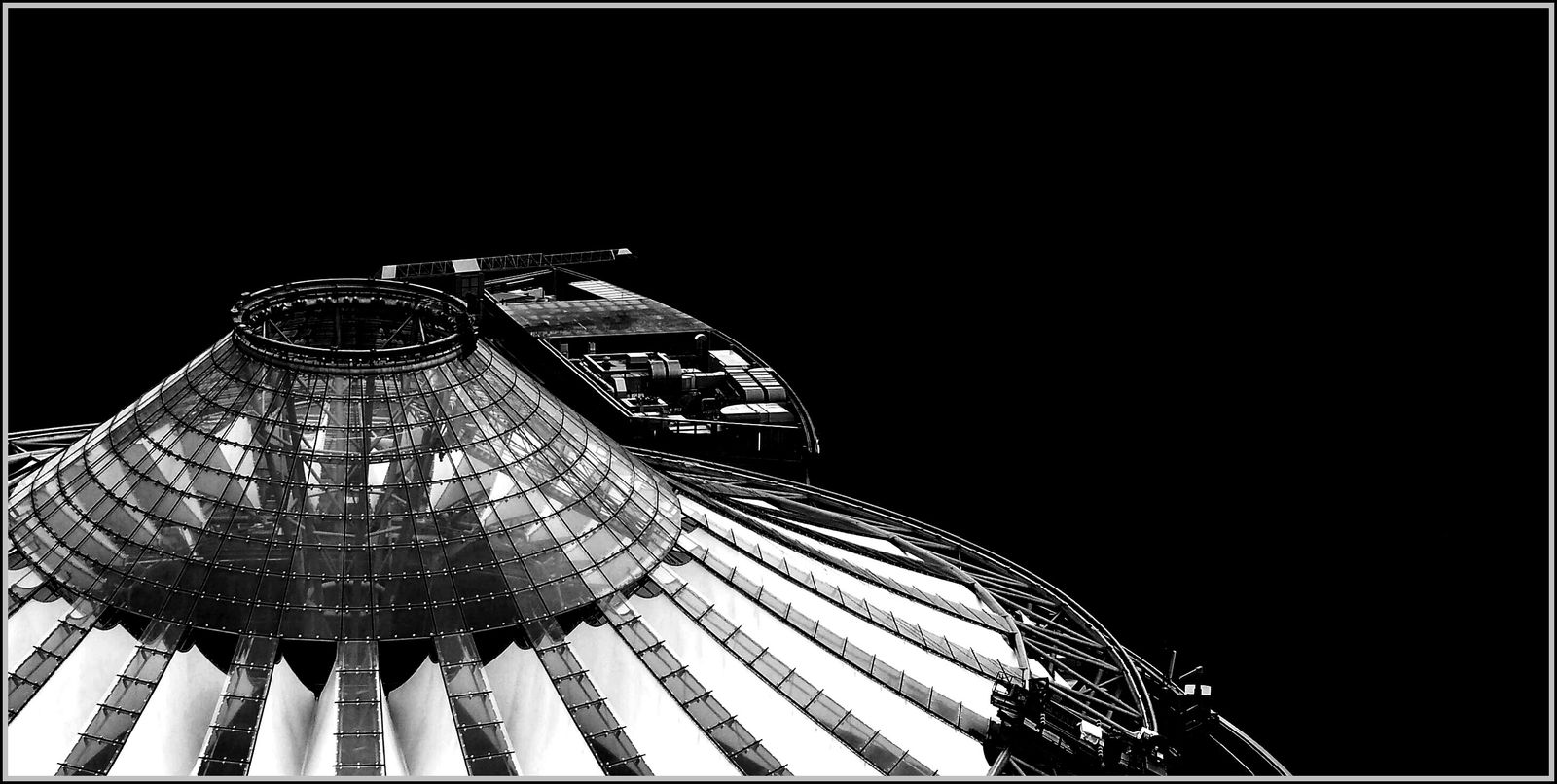
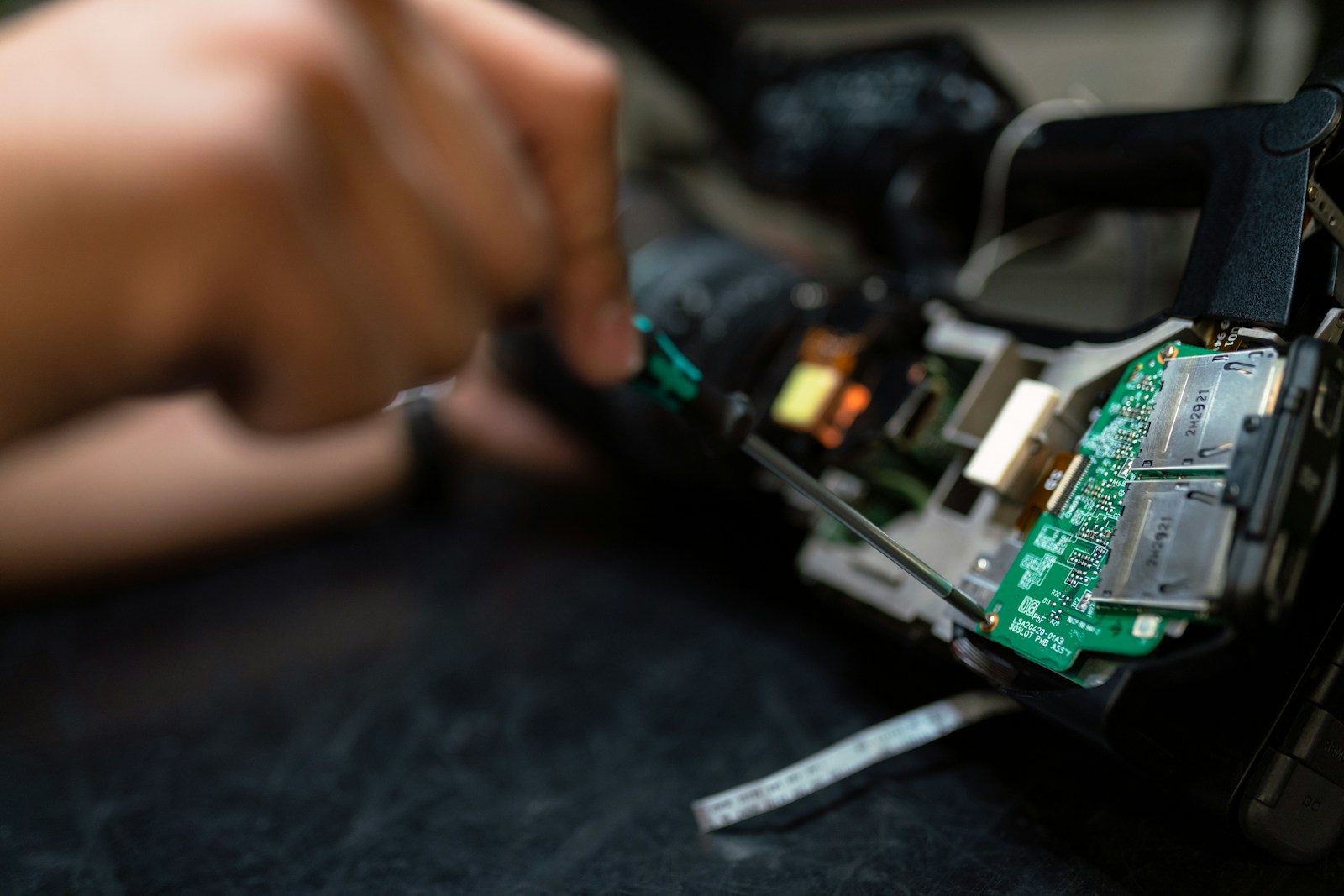
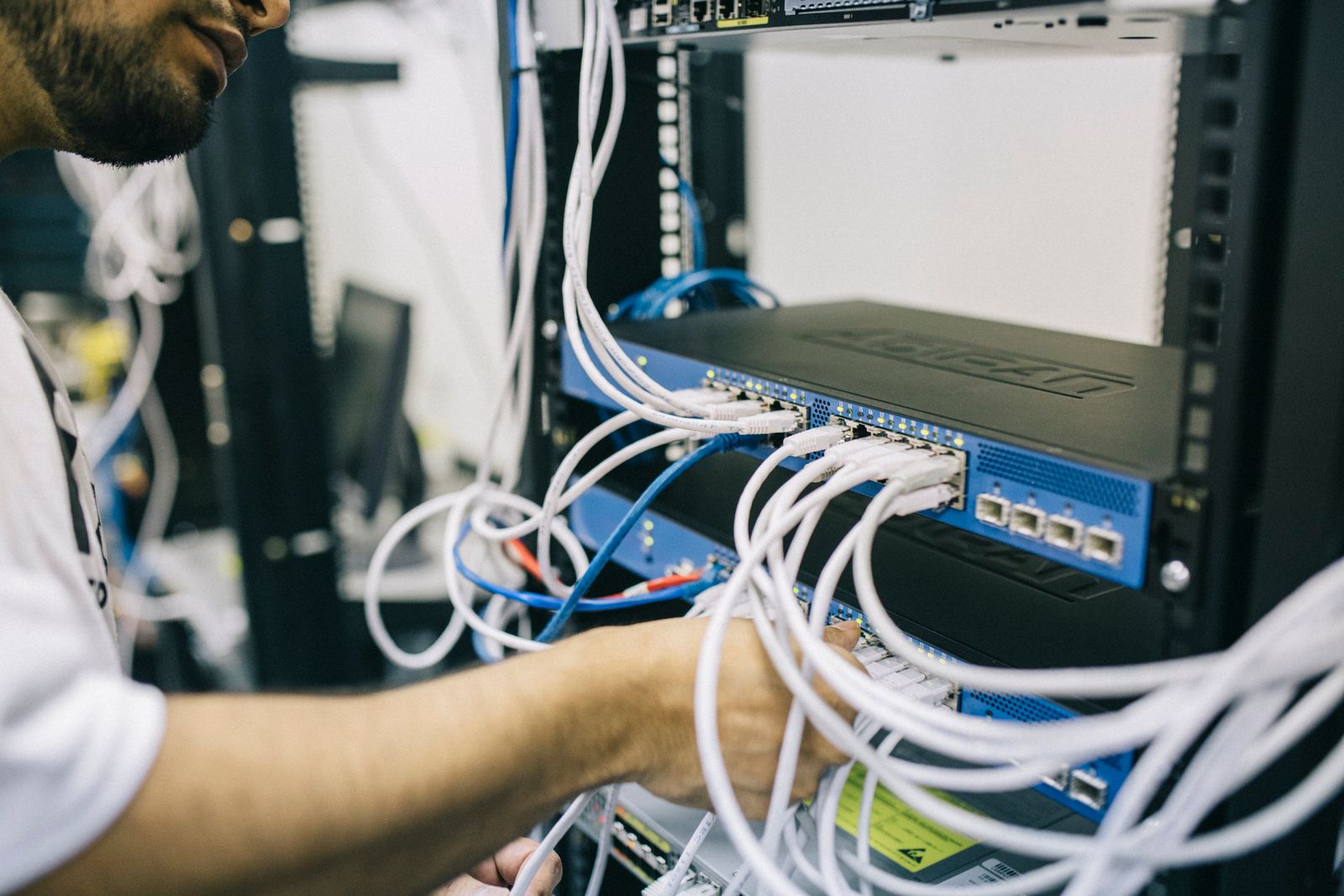
These representative engagements illustrate how we adapt the same core platform to different manufacturing contexts—from high-mix assembly to dedicated inspection lines.

Technology stack
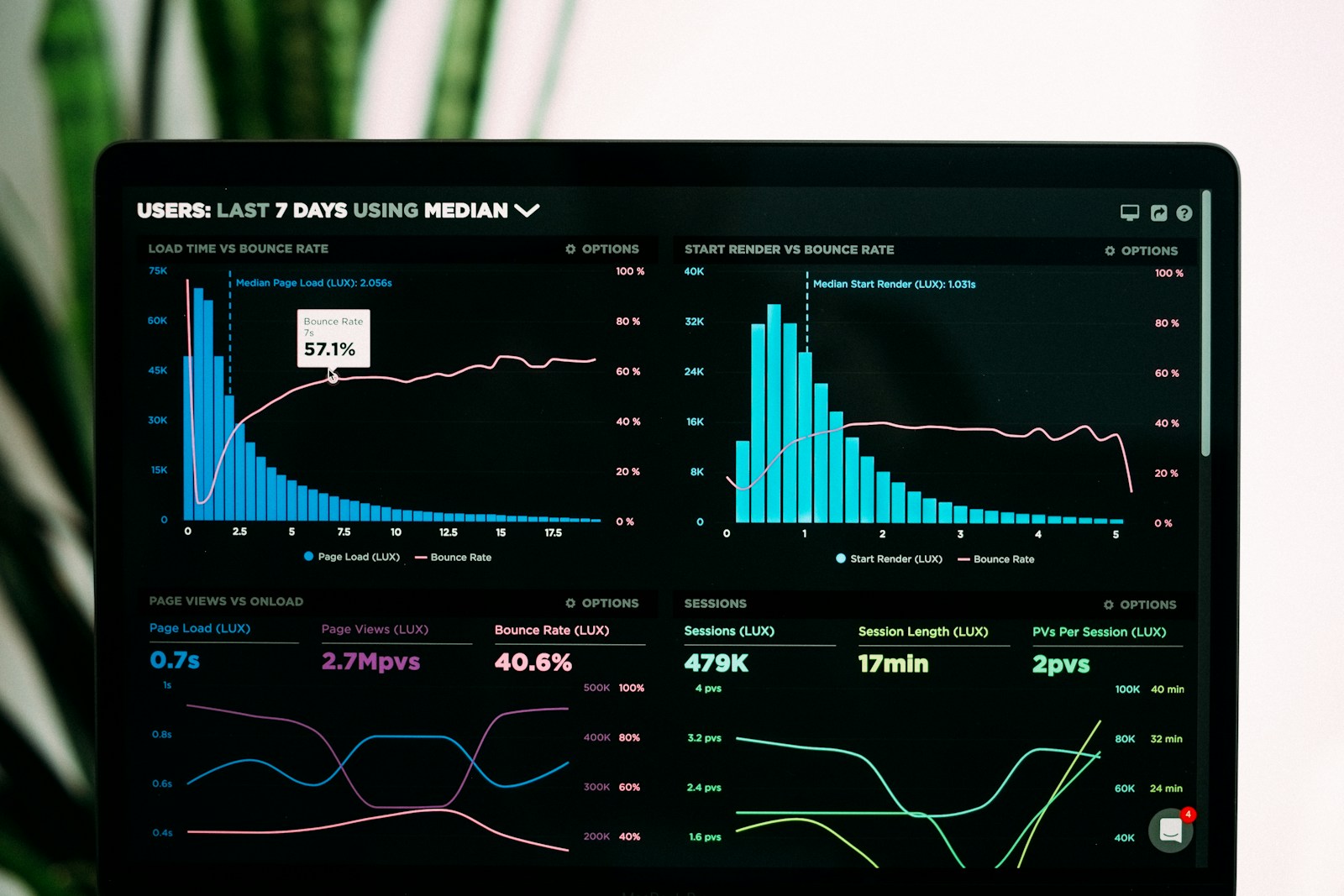
We remain vendor-agnostic where it serves your uptime goals, but maintain deep bench strength on the ecosystems Ontario plants already run. Our software layer normalises telemetry and recipe management so you are not locked into a single robot OEM for the next decade.
Spec-table FAQ
Q-001
No. We are an industrial integration firm headquartered at 3330 South Service Road in Burlington. Our engineers commission physical robotic cells, machine vision stations, and plant-floor software—not promotional websites or ad campaigns. If you need a digital agency, we are not the right partner.
Q-002
We document baseline OEE and quality metrics before work begins and report against those in pilot closeout reports. We do not publish universal ROI guarantees because part mix, labour agreements, and upstream variability differ by facility. Contractual performance targets can be defined per statement of work when both parties agree on measurement methodology.
Q-003
Most pilot cells run six to eight weeks from kickoff to operator sign-off, assuming utilities, network drops, and safety sign-off are available on schedule.
Q-004
Yes. We produce risk assessments compatible with your joint health and safety committee review process and coordinate with your preferred TÜV or CSA assessors when third-party validation is required.
Q-005
Optional 24/7 monitoring packages stream anonymised telemetry to our Burlington network operations desk with escalation playbooks your maintenance lead approves in advance.
Q-006
Visit our FAQ page for the complete spec-table listing, or contact us to discuss a facility-specific question with an integration lead.
Book a walkthrough at our Burlington campus or invite our field team to your plant. We will bring sample fixtures, reference architectures, and an honest assessment of what a six-week pilot could achieve on your line.
Response within two business days · PIPEDA-compliant data handling
AI & robotics disclaimer: RoboForgeAI provides industrial automation integration services. Descriptions of AI-assisted vision, predictive models, and orchestration software reflect capabilities available in commercial deployments; performance varies with environmental conditions, data quality, and operator training. We do not claim autonomous systems replace required human oversight, safety interlocks, or regulatory compliance obligations. All robotics modules require site-specific risk assessment before production use.